

How to Interview Well
A guide from someone who's sat across the table hundreds of times.


We sat down with Mary, co-founder of All the Good, to talk about interviewing. She’s interviewed hundreds of candidates over the past few years across a wide range of roles and organizations.
Here’s what she’ll tell you: hiring takes forever. A position opens, the process drags on, and half the time the people doing the hiring aren’t even sure what they’re looking for. We actually wrote a piece for them too:

But this one is for you. The person walking into the room.
Whether you’re fresh out of college, making a career pivot, or just want to get better at this, we pulled from Mary’s observations and put together a guide to interviewing well.
Your resume has about 60 seconds
Sometimes less.
Mary reads a resume looking for one thing first: can you put a document together that’s easy to read? Clean formatting, clear structure. If you can’t do that, she’s already made a note.
What ends it fast: copy-pasted AI language, a file saved with a generic/incorrect name(final.final), sentence structure that doesn’t hold up. For creative roles especially, your resume is a work sample. It should look like you know what good looks like.
If you’re applying to a mission-driven org, show that you understand their world. If you have experience in that kind of work, put it up front. If you don’t, say so clearly. Say what does translate and why. That kind of honesty reads well. Pretending otherwise doesn’t.
Mary also looks at social media. She wants to know who you are beyond the paper. Make sure what’s public reflects someone you’d want to hire.
One more thing: an unconventional background doesn’t disqualify you. Mary has hired people with unusual paths and been glad she did. Managers are looking for someone who knows what they bring and is clear about why they want this particular role.
Do you actually want this job?
Before you do anything else, sit with this: Is this a job you’d want to wake up and do well? Think through how you’d bring value to it. Think through whether it’s a role you want to grow in. Those are the questions that separate people who want a job from people who want this job.
If your answers are unclear, figure that out before you’re three rounds in.
Know what you’re walking into
Once you’ve decided you want the role, do the work.
Look at their website. Read what they’re building. Understand the programs, the mission, the things they’re communicating as their call to action as best you can. If it’s a mission-driven organization, know their mission well enough to talk about it without reading it back to them.
When someone hasn’t taken the time to understand what an organization does, there’s a learning gap managers can see right away.
This matters especially when you don’t have direct experience. Being honest about that is fine. “I haven’t done exactly this before, but here’s what I bring and here’s why I think it translates” is a strong answer.
Know the role too. Even without a full job description, you can usually find enough on their site to understand what the team needs. Walk in knowing what problem they’re trying to solve by filling this position.
And think through your questions. The worst question you can ask: “What does a normal day look like?” This is not useful! Most good roles don’t have the same day twice anyway and this shows that you need someone to tell you how to work.
A better question: what are the five most important things this team is spending time on right now? That tells you more than any job description, and it signals to the interviewer that you’re thinking at the right level.
In the room
If you’ve done the work in the steps above, this part should feel more like a conversation than a test.
Make eye contact. Pay attention. Observe before you start talking.
What Mary watches for has less to do with polished answers and more to do with how a person handles uncertainty. Are you so sure of your own approach that you’ve closed off other options? Or do you come across as someone who is still learning, still asking questions?
One of the clearest signals is how you talk about failure. Know a time you got something wrong. Know what you did with it. The candidates who hold her attention are the ones who can tell her clearly what happened, what they learned, and what changed. That kind of answer takes self-awareness. It takes having actually thought about it beforehand.
Curiosity matters here too. People who ask good follow-up questions, who want more detail, who are working to understand the full picture: that’s what engaged looks like from the other side of the table.
The quality most hirers are actually looking for: teachability
Teachability.
Teachable candidates carry themselves a certain way in the room. They ask good questions. When something goes wrong, they move toward fixing it rather than accounting for why it happened the way it did. They can hold a perspective and still take in new information. They know what they know and they’re honest about what they don’t.
Mary asks about failure in almost every interview. What she’s listening for is what came first in your head when you realized you’d made a mistake. Blame, or curiosity.
If you’re interviewing at a mission-driven org, there’s an added layer. Mary wants to know that you understand the heart of what the organization is doing and that you’re bought in. She’s been known to ask: “Is there anything we stand for or advocate for that gives you pause?” The candidates who answer that well are the ones who have actually done the reading.
You can be new to the mission. You can have gaps in your knowledge. Showing up without having thought about it at all is where people lose the room.
Save this before your next interview. And if you’re the one doing the hiring, we wrote something for you too.
About Mary
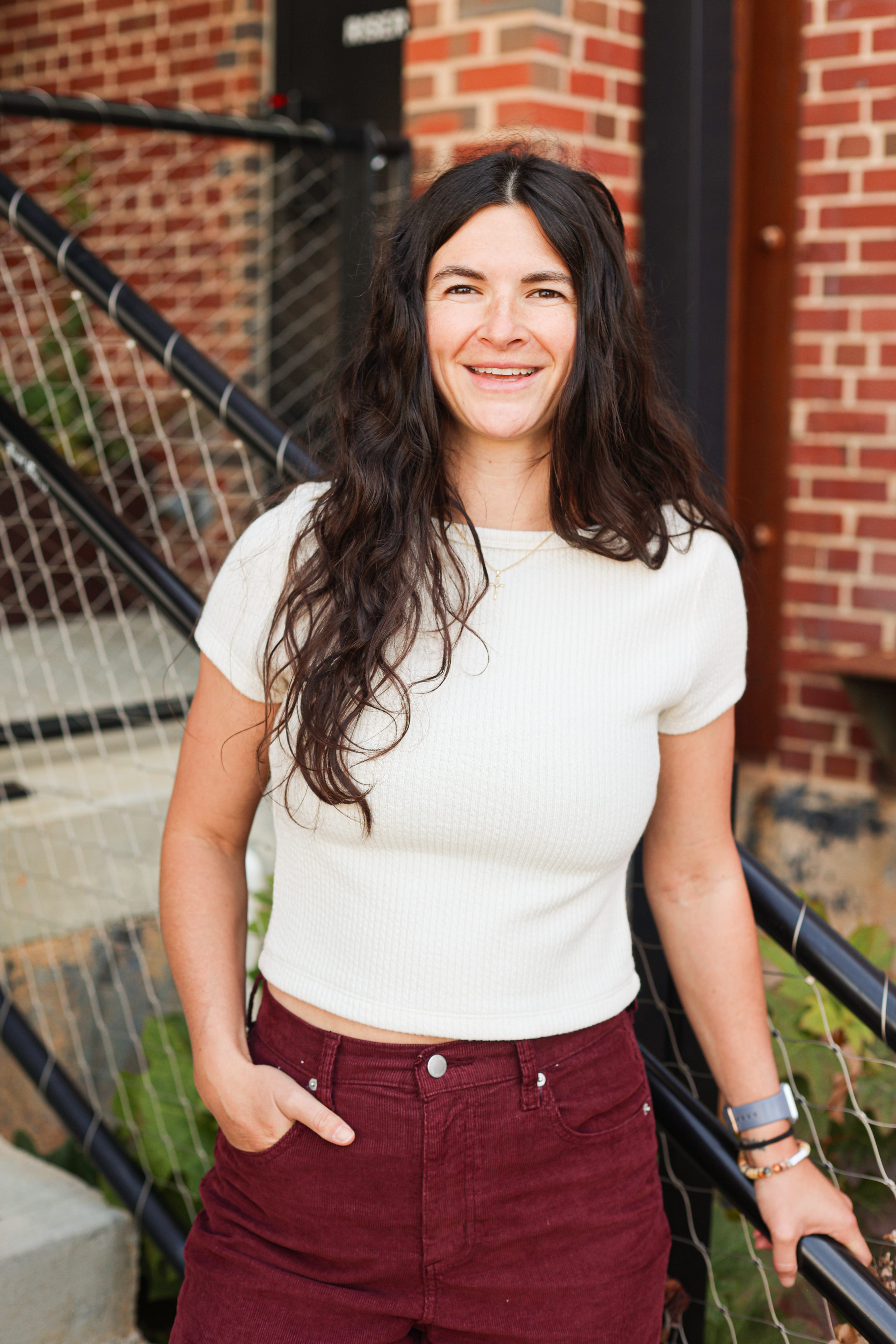
Mary is the co-founder of All The Good, a leadership organization helping nonprofits do all the good they are called to do. She brings a love for structure, details, and turning big ideas into clear, actionable plans.
Before co-founding All The Good, Mary spent more than seven years directing operations for church ministries. She also spent years coaching soccer, which helped shape the way she leads teams and helps people move toward a shared goal.
Mary lives in Charlotte, North Carolina with her husband and their two boys. She loves a good list, a clear plan, and seeing people succeed in the work they are called to do.
 |
|